
1. Introduction to Tibetan Buddhism
What is Tibetan Buddhism?
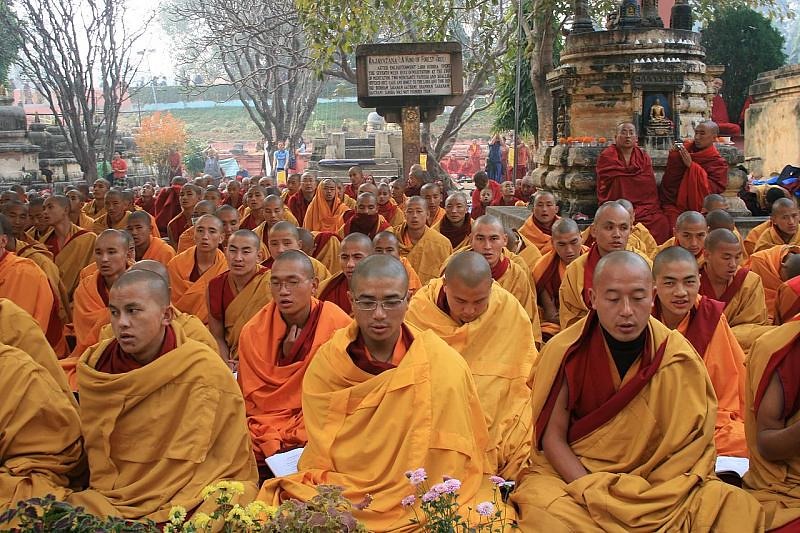
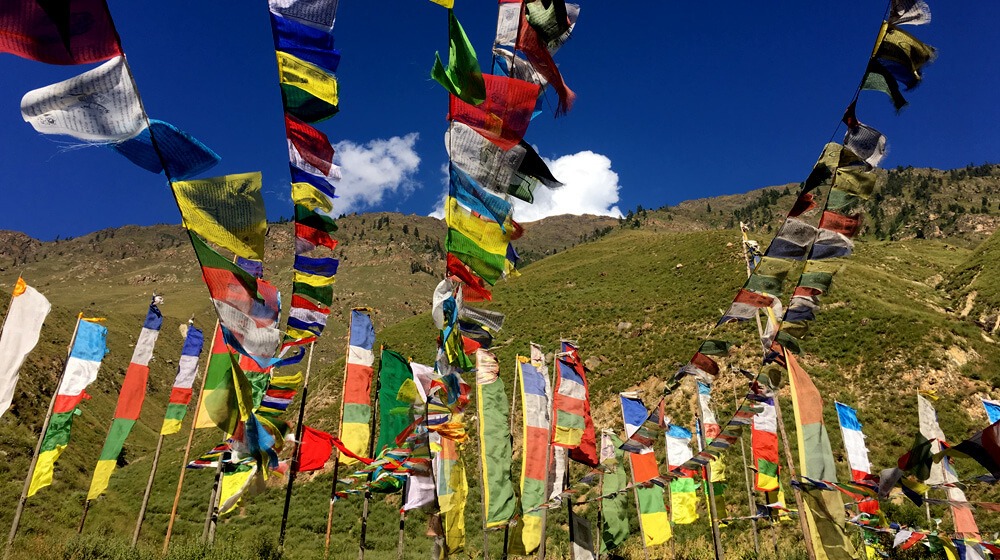
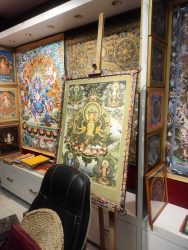
Tibetan Buddhism is a form of Mahayana Buddhism that developed in Tibet and incorporates Vajrayana (Tantric) practices. It blends philosophy, meditation, rituals, and symbolic art to guide practitioners toward enlightenment.
Brief Overview of Its Uniqueness
Unlike other Buddhist traditions, Tibetan Buddhism is known for:
- Deep use of rituals, symbols, and mantras
- Strong emphasis on teacher-student lineage
- Integration of tantric practices (Vajrayana)
Importance in Himalayan Regions
Tibetan Buddhism plays a central role in the spiritual and cultural life of:
- Nepal (especially in Himalayan regions)
- Tibet
- Bhutan
- Northern India (Ladakh, Sikkim)
2. History and Origins of Tibetan Buddhism
Early Introduction (7th Century)
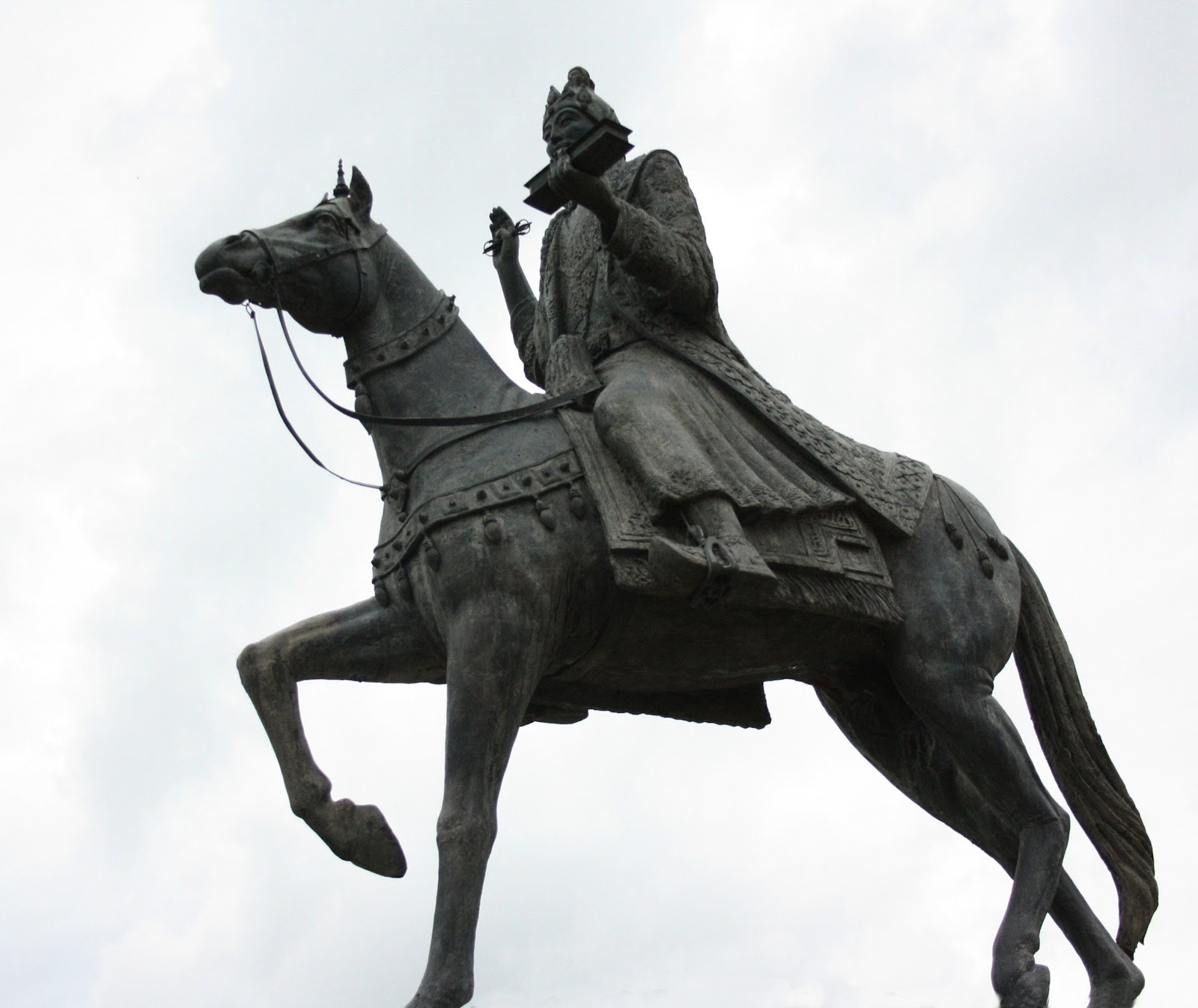
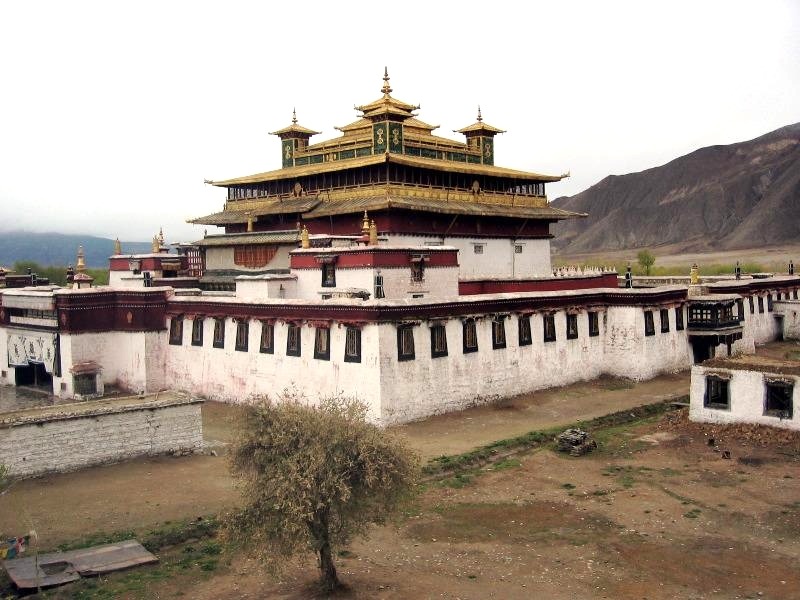
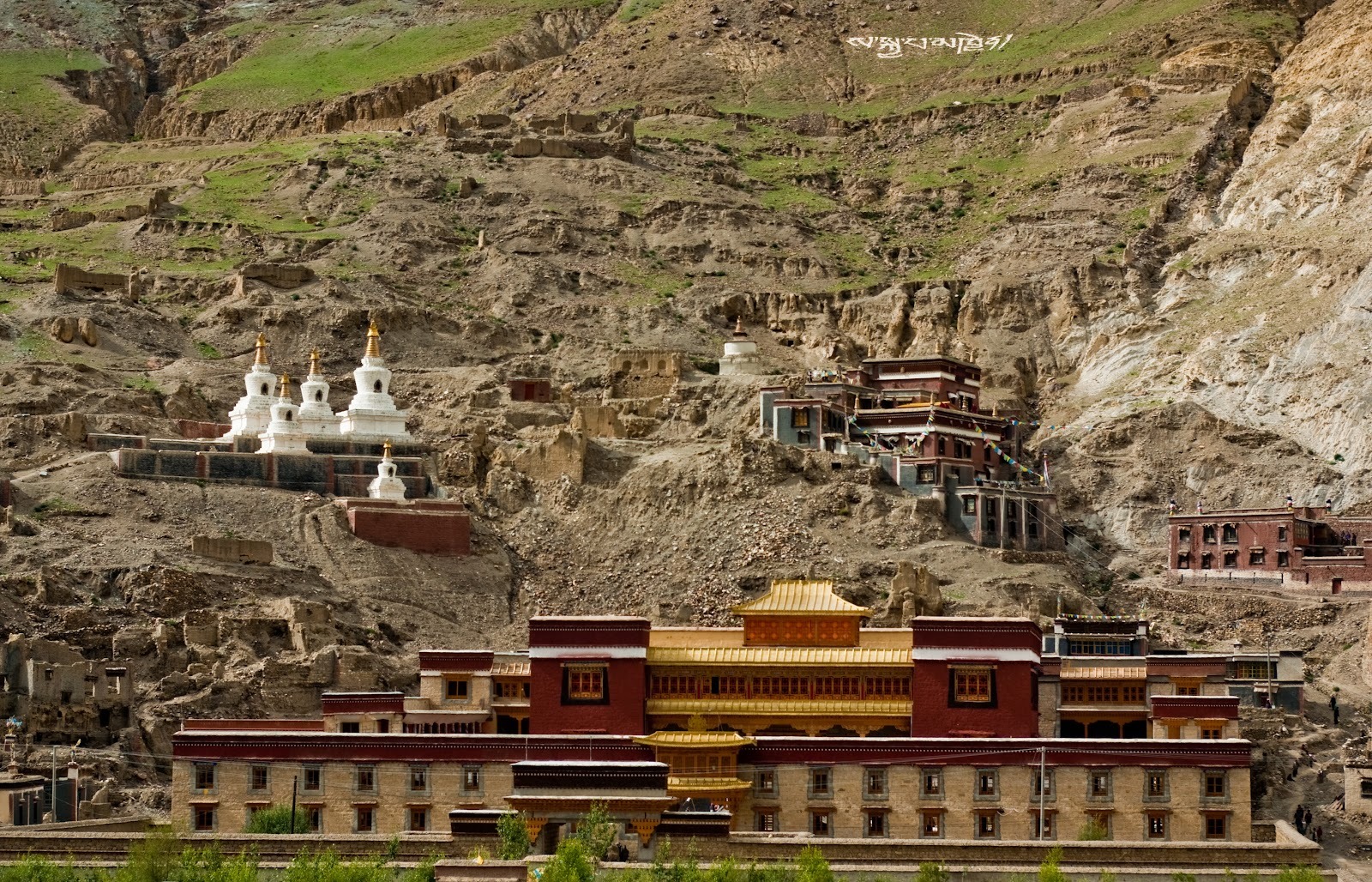
Buddhism was introduced to Tibet during the reign of Songtsen Gampo in the 7th century.
Role of Songtsen Gampo
He helped establish Buddhism by building temples and promoting Buddhist teachings.
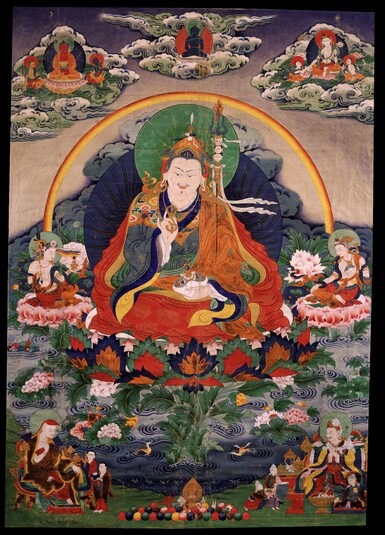
Influence of Padmasambhava
The Indian master Padmasambhava played a crucial role in spreading tantric Buddhism and establishing monasteries.
Development Periods
- Old Translation (Nyingma) – Early teachings and tantras
- New Translation Schools – Later reforms and structured traditions
3. Core Beliefs and Philosophy
The Four Noble Truths
- Life involves suffering
- Suffering has a cause
- It can end
- There is a path to end it
Karma and Rebirth
Actions (karma) determine future lives through the cycle of rebirth.
Enlightenment (Bodhi)
The ultimate goal is to achieve awakening and liberation from suffering.
Compassion & Wisdom
- Bodhicitta – the intention to help all beings
- Wisdom – understanding reality deeply
Emptiness (Shunyata)
All phenomena lack inherent existence and are interdependent.
4. Major Schools of Tibetan Buddhism
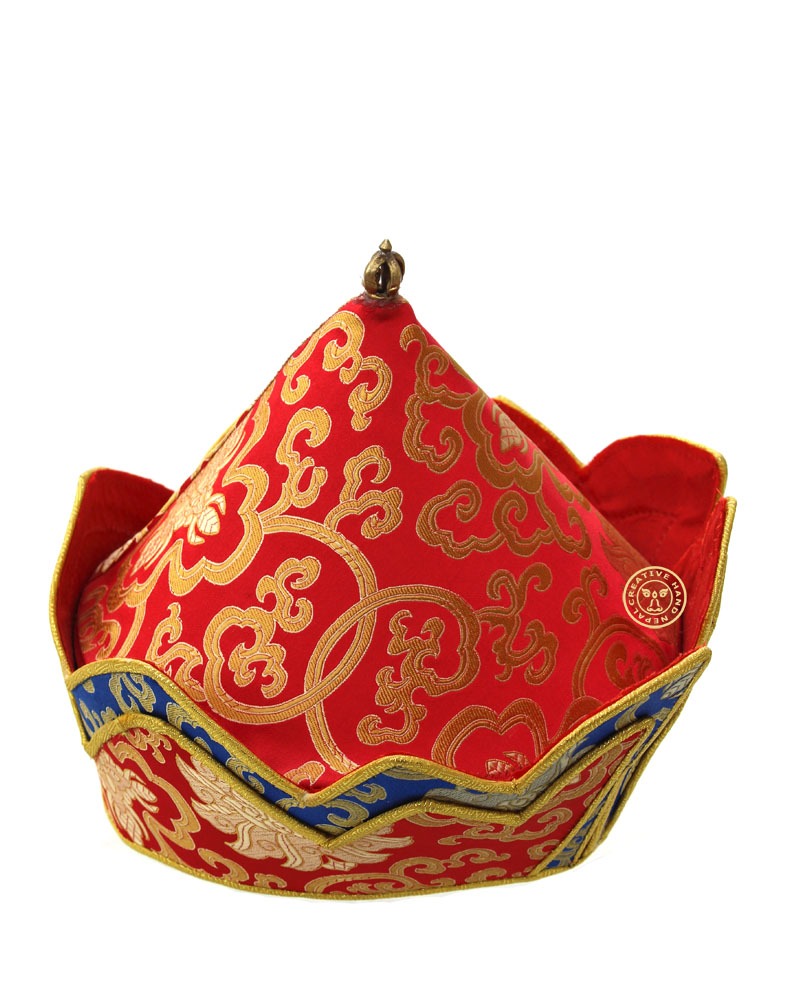
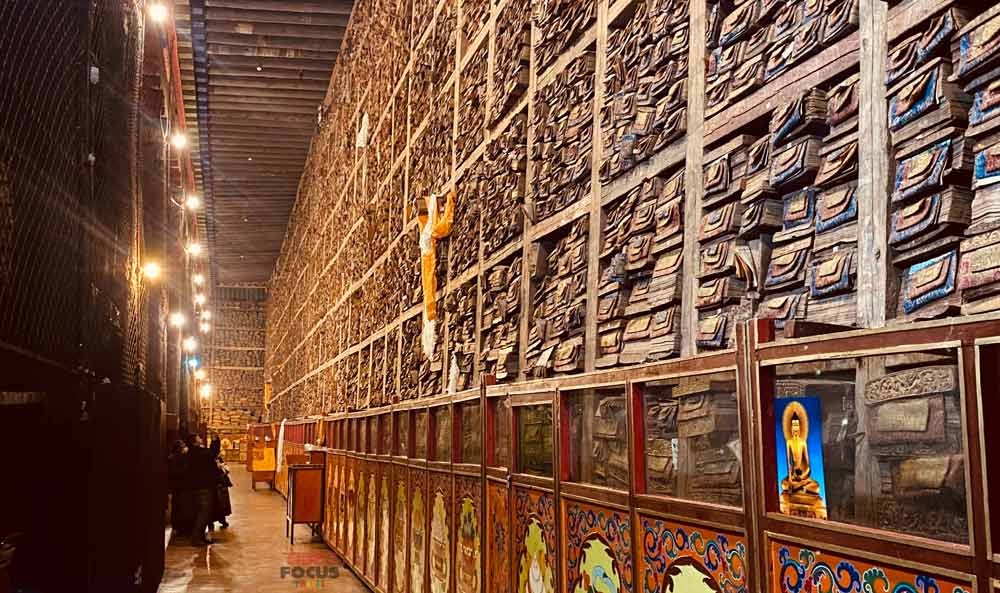
Tibetan Buddhism has four major schools:
- Nyingma – Oldest tradition, focuses on ancient teachings
- Kagyu – Known as the oral lineage
- Sakya – Emphasizes scholarly learning
- Gelug – Reform tradition founded by Tsongkhapa
Role of the Dalai Lama
The Dalai Lama is the spiritual leader associated with the Gelug school and a global symbol of peace.
5. Key Practices and Rituals
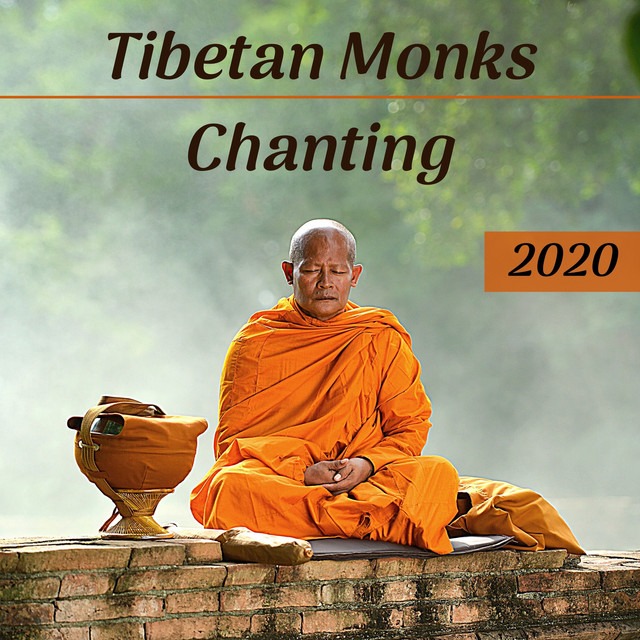
Meditation Techniques
- Shamatha – Calm abiding meditation
- Vipassana – Insight meditation
Mantras & Chanting
Repetition of sacred sounds to focus the mind.
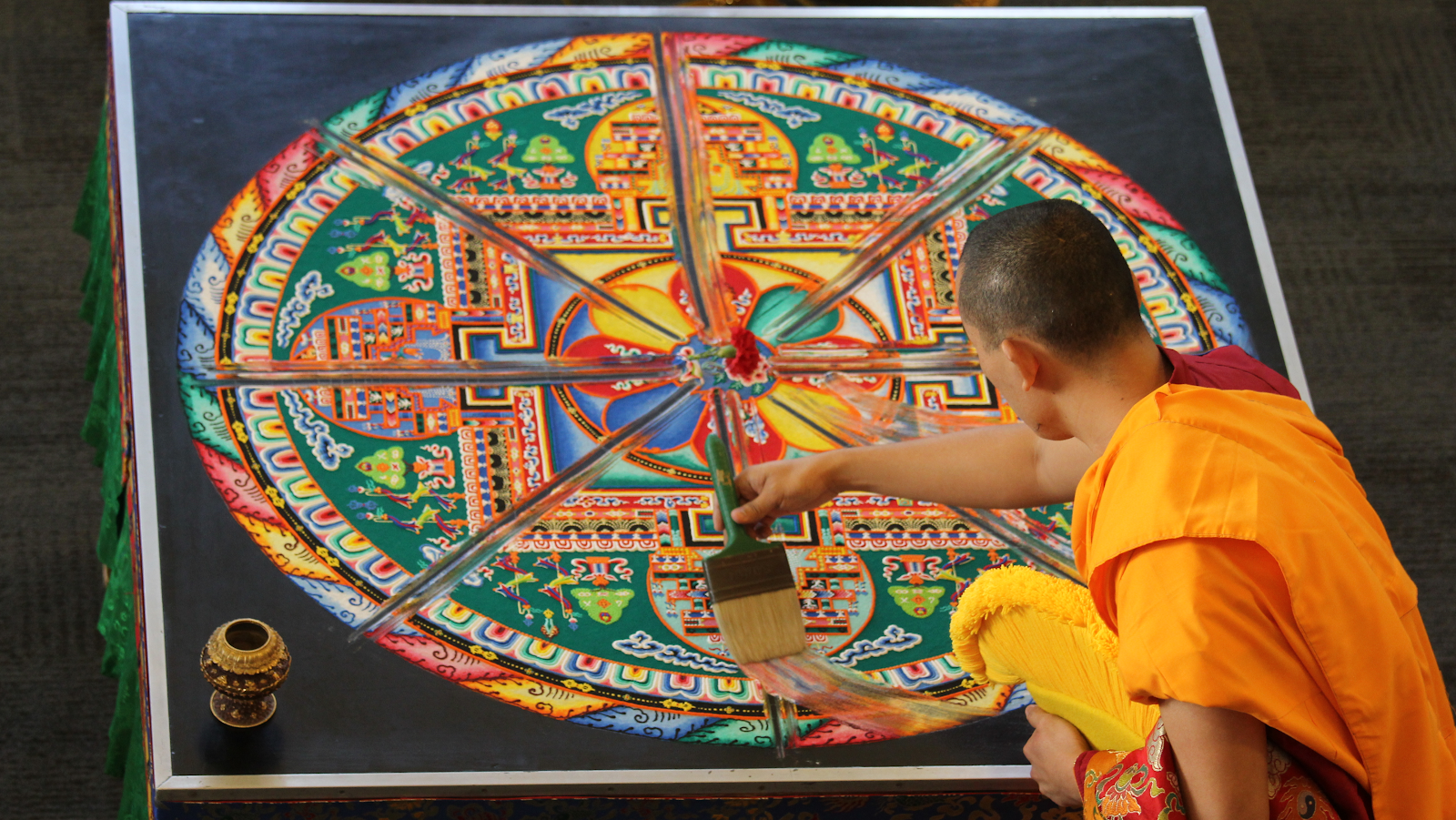
Mandala Creation
Intricate sand art symbolizing the universe and impermanence.
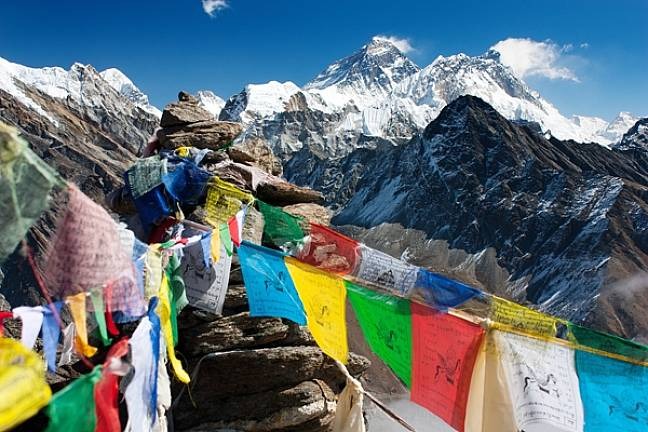
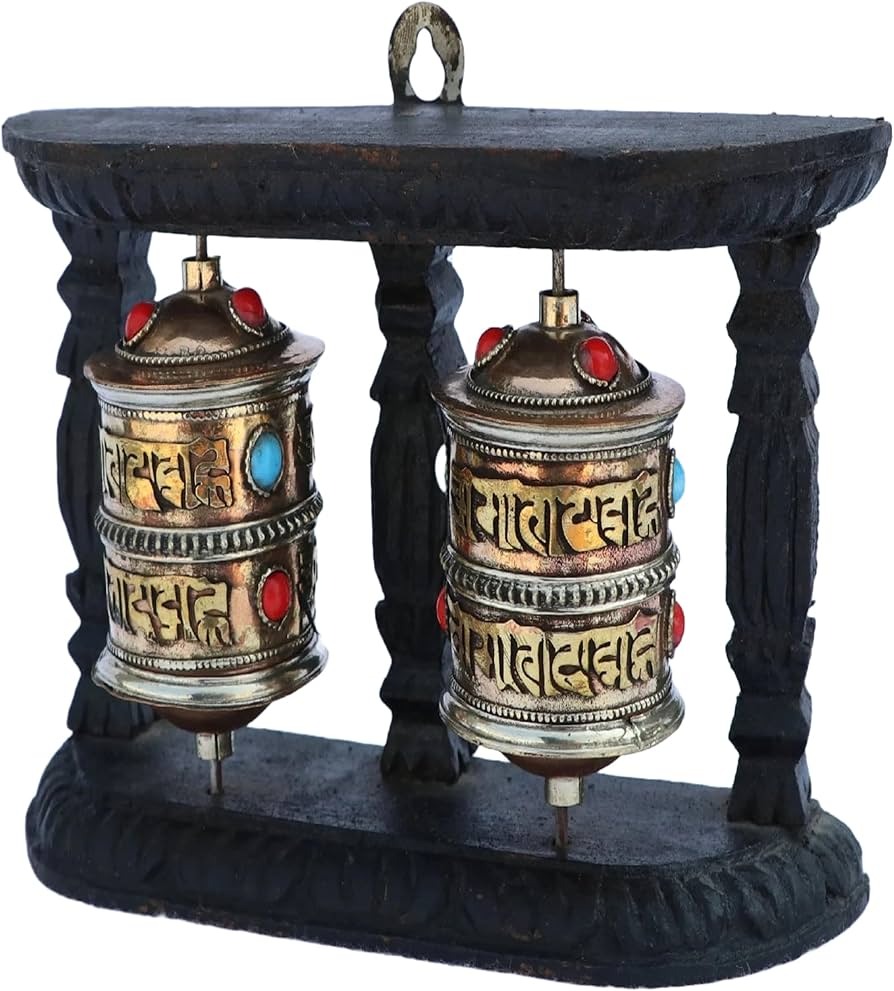
Prayer Wheels & Flags
Used to spread blessings and positive energy.
Tantric Practices
Advanced Vajrayana methods involving visualization and rituals.
6. Sacred Texts and Teachings
- Kangyur – Teachings of the Buddha
- Tengyur – Commentaries by scholars
Teachings are often passed through oral transmission from teacher to student.
7. Important Figures in Tibetan Buddhism
- Dalai Lama
- Panchen Lama
- Tsongkhapa
- Milarepa
These figures have shaped teachings, philosophy, and practice.
8. Tibetan Buddhism in Modern Times
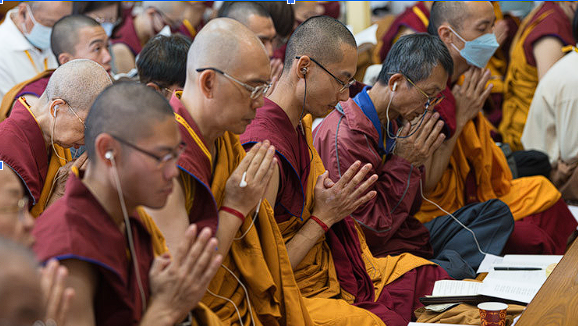
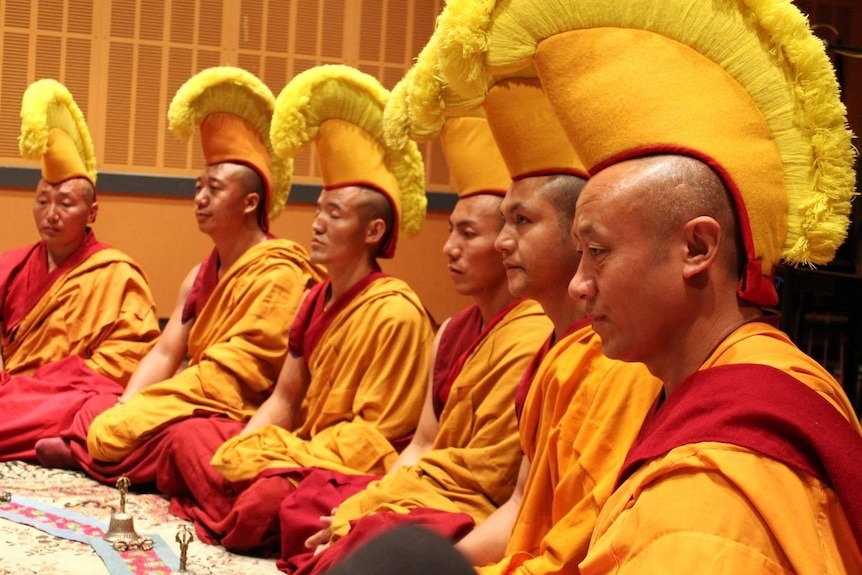
Spread to the West
Tibetan Buddhism gained global attention after the Tibetan diaspora.
Influence on Mindfulness
Its teachings influenced modern psychology and meditation practices.
Cultural Preservation
Communities in Nepal and India actively preserve traditions.
9. Monasteries and Cultural Significance
Role of Monasteries
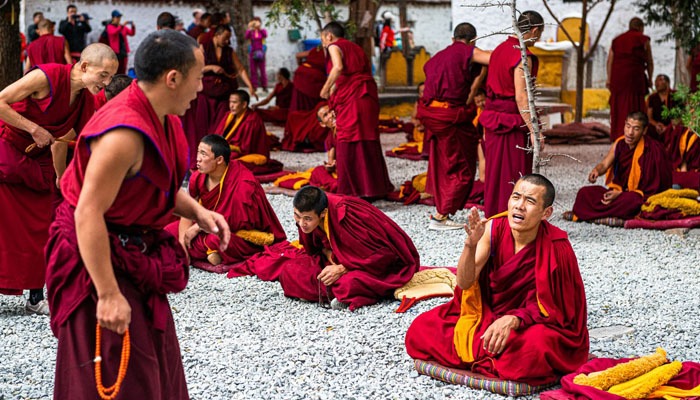
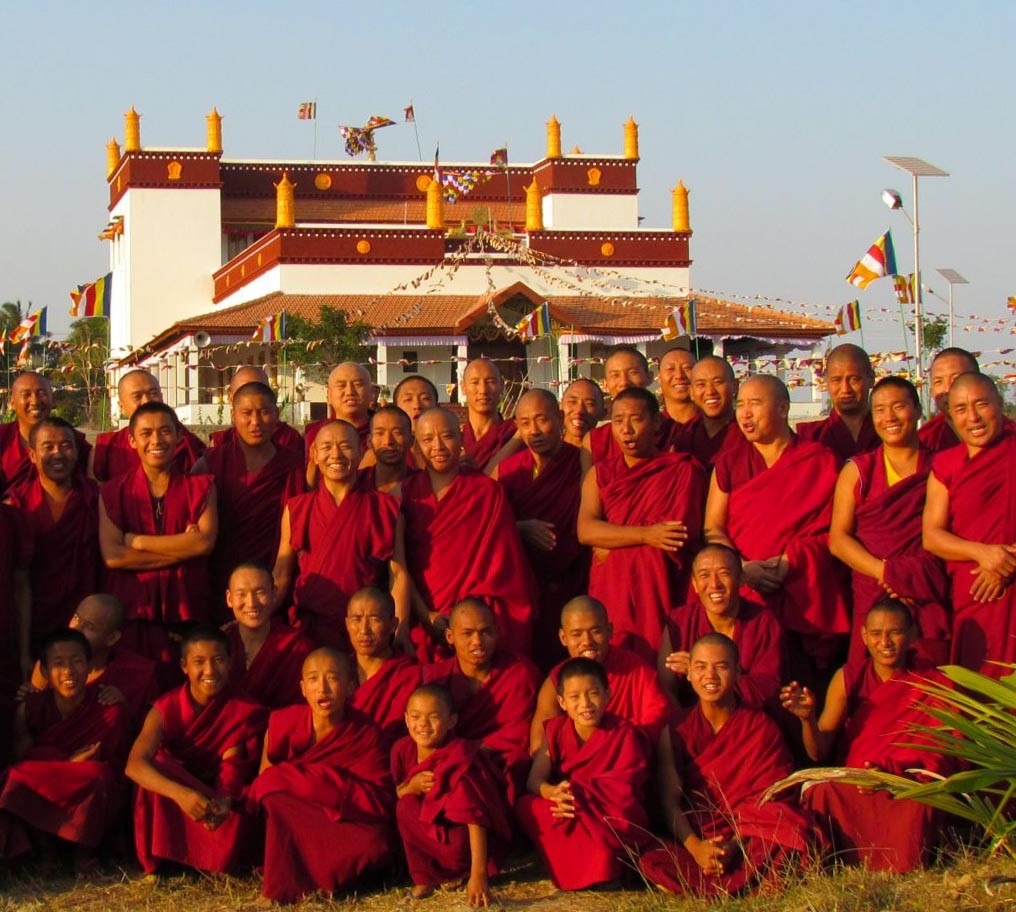
Monasteries serve as centers for:
- Education
- Meditation
- Community life
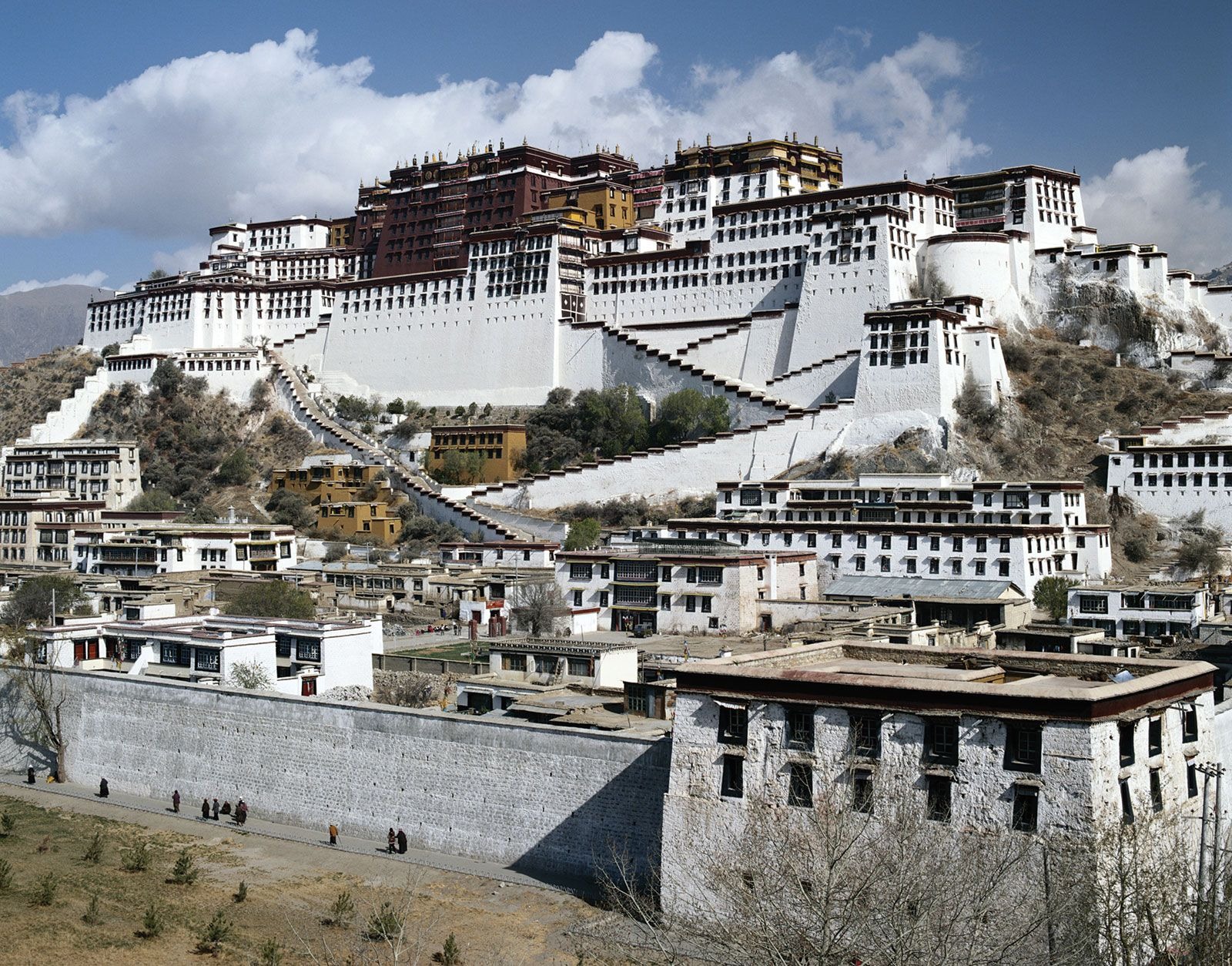
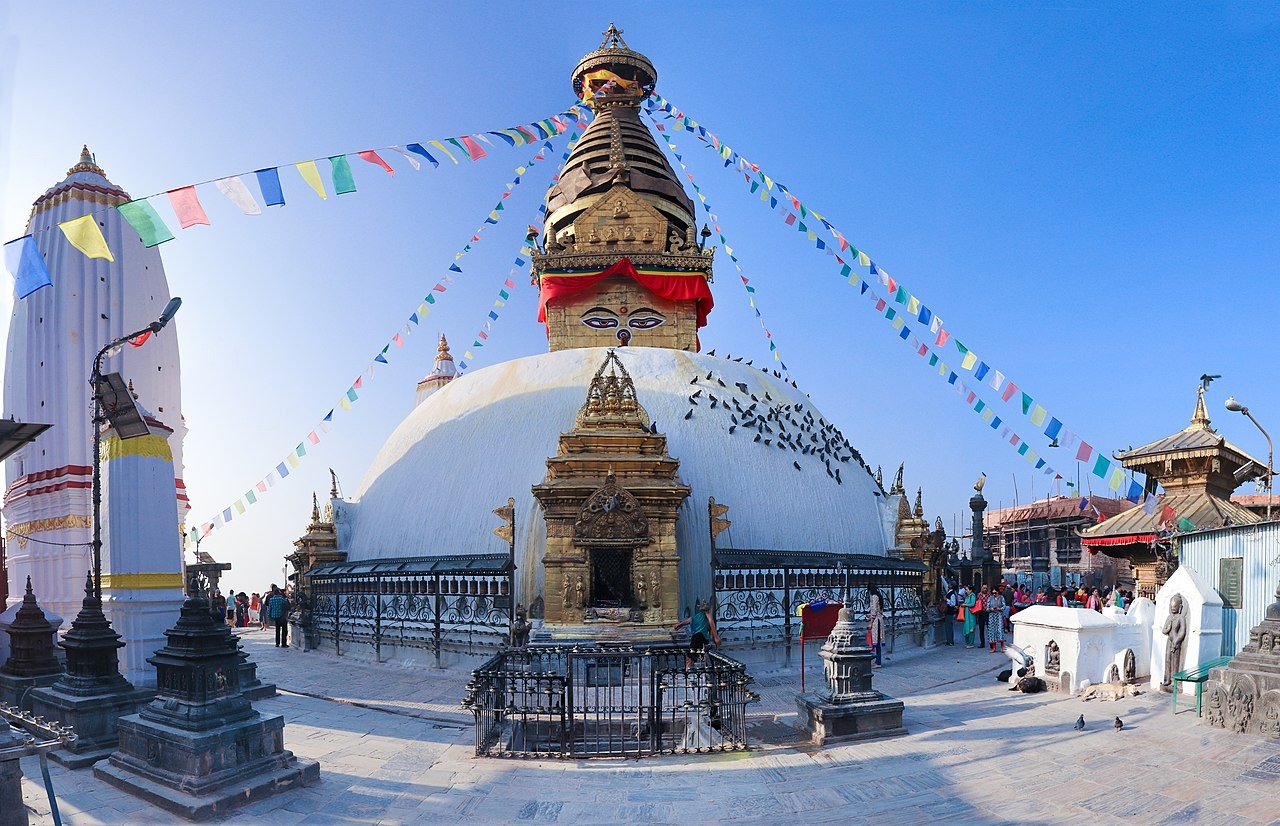
Famous Monasteries
- Potala Palace
- Swayambhunath Stupa
Festivals
- Losar (Tibetan New Year)
- Masked dances and rituals
10. Tibetan Buddhism vs Other Forms of Buddhism
Differences from Theravada
- More ritualistic
- Focus on Bodhisattva path
Differences from Mahayana
- Includes Vajrayana (Tantric practices)
- Uses symbolic rituals and esoteric teachings
11. How to Practice Tibetan Buddhism
Simple Meditation Steps
- Sit comfortably
- Focus on your breath
- Observe thoughts without attachment
Basic Mantra
Om Mani Padme Hum – mantra of compassion.
12. FAQs About Tibetan Buddhism
What makes Tibetan Buddhism unique?
Its combination of philosophy, ritual, tantra, and lineage-based teaching.
Who is the Dalai Lama?
A spiritual leader and symbol of compassion.
Can anyone practice Tibetan Buddhism?
Yes, it is open to all regardless of background.
Is it a religion or philosophy?
It is both a spiritual path and philosophical system.
13. Conclusion
Tibetan Buddhism is a rich spiritual tradition combining wisdom, compassion, and practice. From its ancient roots in the Himalayas to its global influence today, it continues to guide people toward inner peace and enlightenment.
Whether you are a beginner or a curious learner, exploring Tibetan Buddhism can offer practical tools for mindfulness, compassion, and a deeper understanding of life.